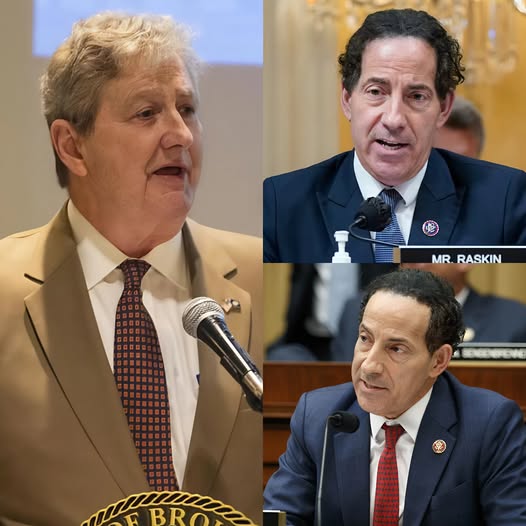

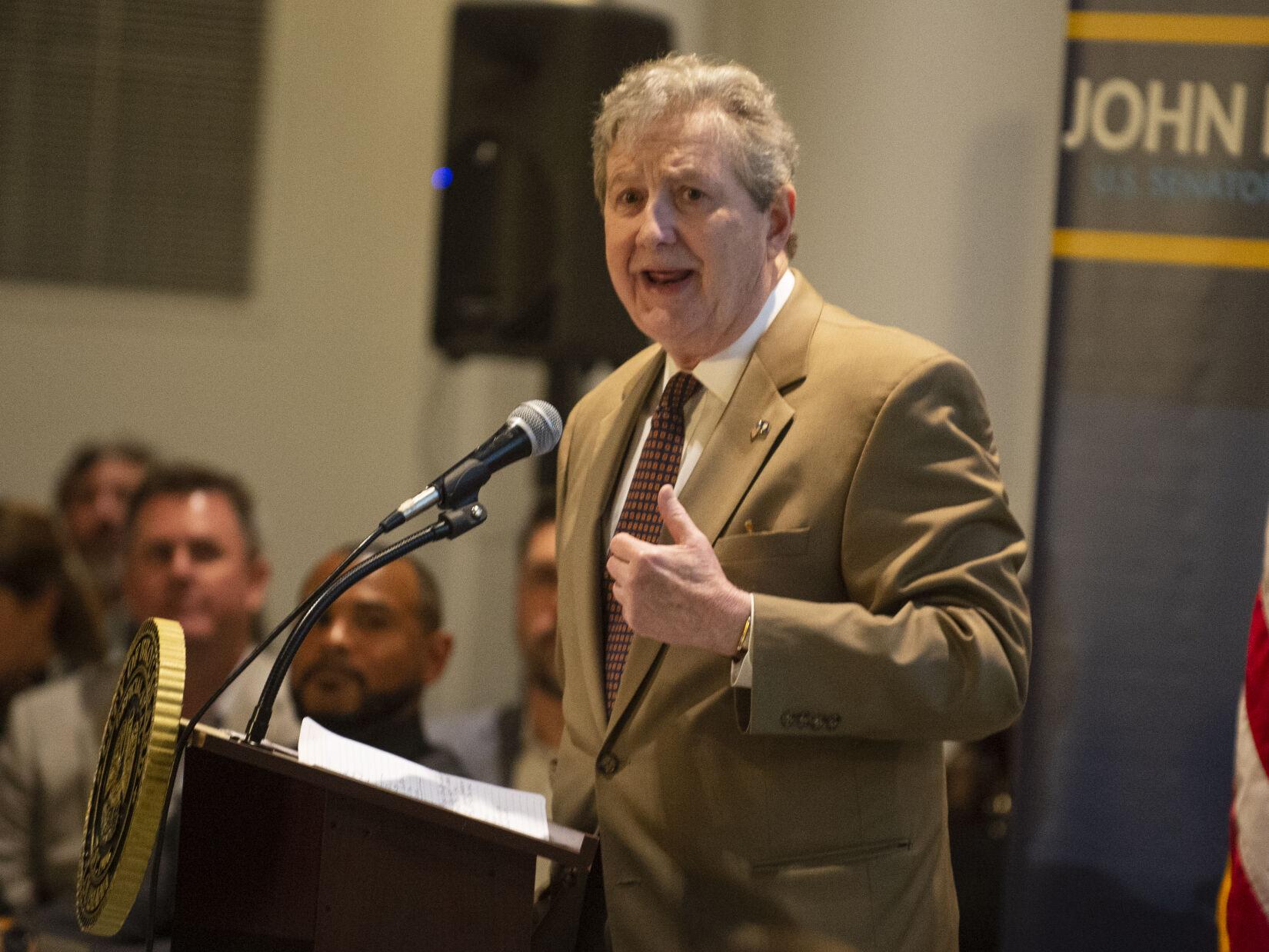
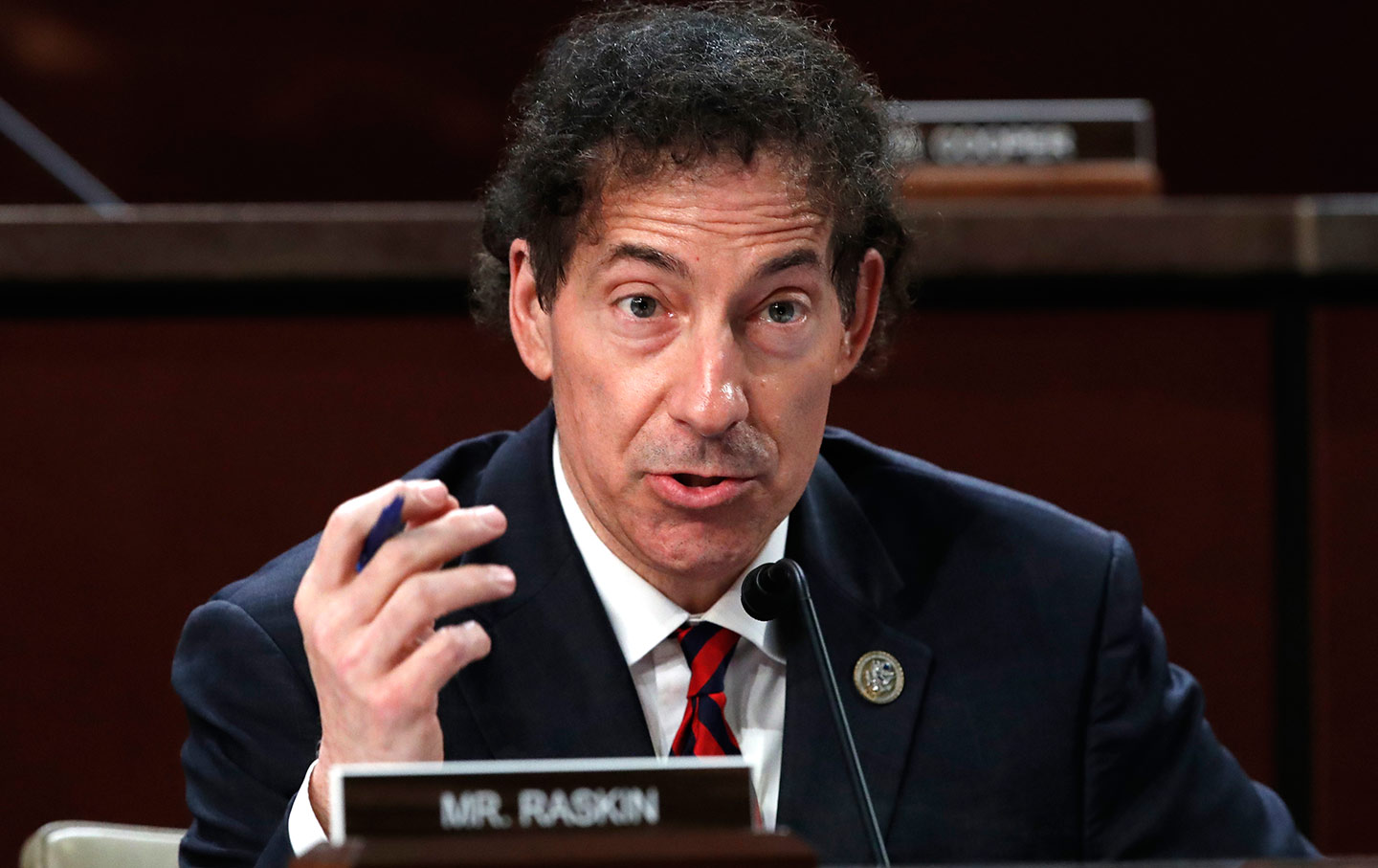
Washington, D.C. — The political establishment was jolted this week after John Kennedy, a former official affiliated with the Trump administration, publicly alleged that he possesses evidence serious enough to warrant a grand jury investigation into Democratic Congressman Jamie Raskin.
The claims center on what Kennedy describes as a “highly suspicious and unexplained surge” in Raskin’s reported net worth—an increase Kennedy estimates at approximately $30 million over a period of less than two years.
While no criminal charges have been filed and no official investigation has been confirmed by federal authorities, the allegations have ignited fierce debate across Capitol Hill and reignited long-standing concerns over financial transparency among powerful lawmakers.
The Core Allegation
According to statements made by Kennedy in recent interviews and private briefings with political allies, Rep. Raskin’s personal wealth allegedly grew at a pace that Kennedy characterizes as “statistically implausible” for a sitting member of Congress whose primary income derives from a government salary.
Kennedy claims that the increase occurred during a narrow timeframe and coincided with heightened political influence for Raskin, who has played a prominent role in high-profile congressional investigations and constitutional debates.
“These are not ordinary fluctuations in net worth,” Kennedy reportedly said. “This is a dramatic surge that demands forensic scrutiny.”
It is important to note that Kennedy has not publicly released the underlying documentation supporting his claims, stating instead that the evidence has been preserved for potential review by investigators.
Refusal to Cooperate or Standard Legal Caution?
One of the most contentious aspects of Kennedy’s claim is his assertion that Rep. Raskin has “refused to cooperate with a forensic audit.” Supporters of Kennedy argue that such resistance raises red flags, particularly when public trust is already strained.
Legal experts, however, caution that declining voluntary audits is not itself evidence of wrongdoing. Members of Congress, like all citizens, are entitled to legal counsel and may choose not to engage in extrajudicial financial probes without a formal mandate.
“There is a significant difference between non-cooperation and obstruction,” said one former federal prosecutor. “Absent a subpoena or court order, refusal proves nothing.”
The Political Context
The timing of the allegations has drawn intense scrutiny. Raskin is a polarizing figure in modern American politics, known for his aggressive questioning of executive power and his vocal opposition to Donald Trump.
Critics argue that the claims against him may be politically motivated, while supporters insist that political prominence should not shield anyone from accountability.
Kennedy, for his part, has rejected accusations of partisanship, stating that his concerns would apply “regardless of party affiliation.”
“This isn’t about Democrats or Republicans,” he reportedly said. “It’s about whether the rules apply equally to everyone.”
What the Law Requires
For a grand jury investigation to proceed, prosecutors would need to determine that there is probable cause suggesting a crime may have occurred. Financial growth alone, even if substantial, does not meet that threshold unless linked to illicit activity such as bribery, insider trading, or undisclosed conflicts of interest.
As of this writing:
-
No indictment has been issued
-
No grand jury has been publicly empaneled
-
No federal agency has confirmed an active probe
Raskin’s Response
Rep. Jamie Raskin has not issued a detailed public statement addressing Kennedy’s specific claims. His office has previously emphasized that Raskin’s financial disclosures are filed in compliance with congressional ethics rules, which require annual reporting of assets within broad ranges rather than precise figures.
An aide familiar with the matter described the allegations as “baseless political theater” and noted that ethics filings are reviewed through established congressional processes.

Why This Story Matters
Regardless of the outcome, the controversy underscores a growing demand for transparency in Washington. Public confidence in institutions remains fragile, and even unproven allegations can have lasting political consequences.
History shows that accusations alone—substantiated or not—can derail careers, shape election outcomes, and dominate media cycles. At the same time, premature conclusions risk undermining democratic norms and the principle of innocent until proven guilty.
The Decision Ahead
Kennedy claims he has presented his findings to superiors and legal contacts who must now decide whether the evidence justifies escalation to federal prosecutors. That decision, if it comes, could mark the beginning of a prolonged legal and political battle—or quietly end the controversy altogether.
Until then, the allegations remain exactly that: claims, not conclusions.

Conclusion
The explosive nature of Kennedy’s assertions has guaranteed attention, but the absence of verified evidence means the story remains unresolved. Whether this episode becomes a footnote in partisan conflict or the opening chapter of a major investigation will depend on facts that have yet to be made public.
For now, Washington watches—and waits.