
The form of fungus is becoming more common in the UK and it can spread quickly
There’s a ‘super fungus’ making its way across the UK which was previously unheard of just a few years ago.
Cases of T. indotineae are escalating across the country, with the troublesome infection targeting private regions such as the thighs, groin and bum area.
Experts have spoken out about the ‘really big problem’ which originated in a near-epidemic form from the Indian subcontinent, with cases skyrocketing by 500 percent in the last three years alone.
It’s believed that the health condition will become more widespread, with professionals unsure of its potential scale, though it is expected to spread to other countries as time goes on.
While the majority of cases have been reported in people of South Asian heritage, the way it spreads from person to person may be a cause for concern.
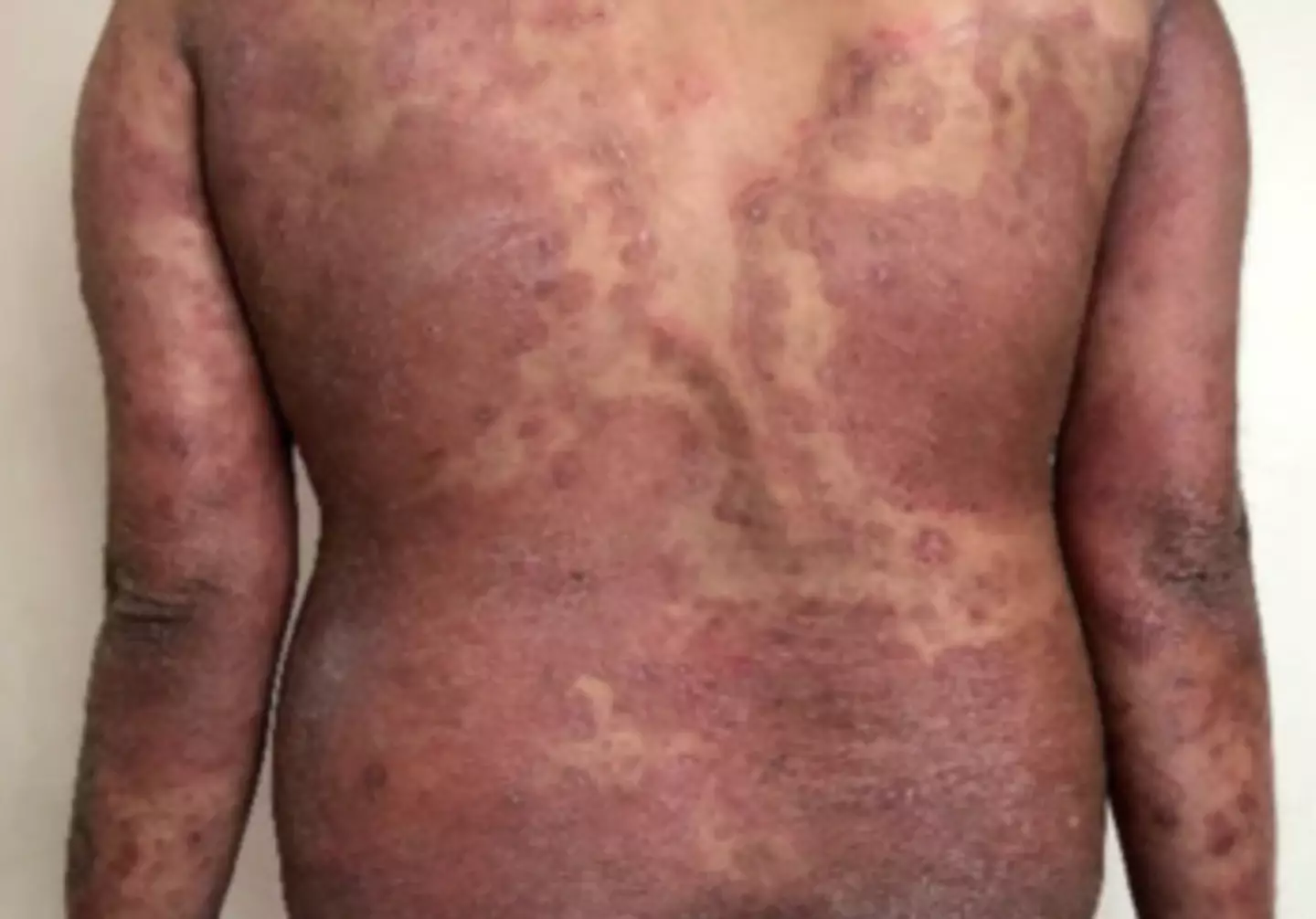
The fungus spreads fairly easily, as experts expect numbers to rise (MDPI)
What is T. indotineae?
The dermatophyte species has emerged in the last decade or so, according to the American Academy of Dematology Association (AADA).
Known as a ‘super fungus’ which has mutated to withstand standard medication used for regular cases of fungus, patients can end up in hospital for months on end while being treated with itraconazole, though this drug can cause negative side-effects such as liver damage or heart issues.
While it starts the nether regions, it can spread to other parts of the body, including the back and face, causing painful and inflamed rashes.
Symptoms of T. indotineae
The infection spreads easily from person to person, according to a January 2025 study, with rashes appearing red and feeling itchy, ‘angry’, and ‘formidable’ in areas such as the buttocks, groin, and thighs.
Not only are the rashes irritating and inflamed, but they become vulnerable to infection, which can leave those with the condition with permanent scars.
Many lab samples – dermatophyte isolates in vitro – of the fungi are also resistant to terbinafine, a fungal skin infection medication available on the NHS.
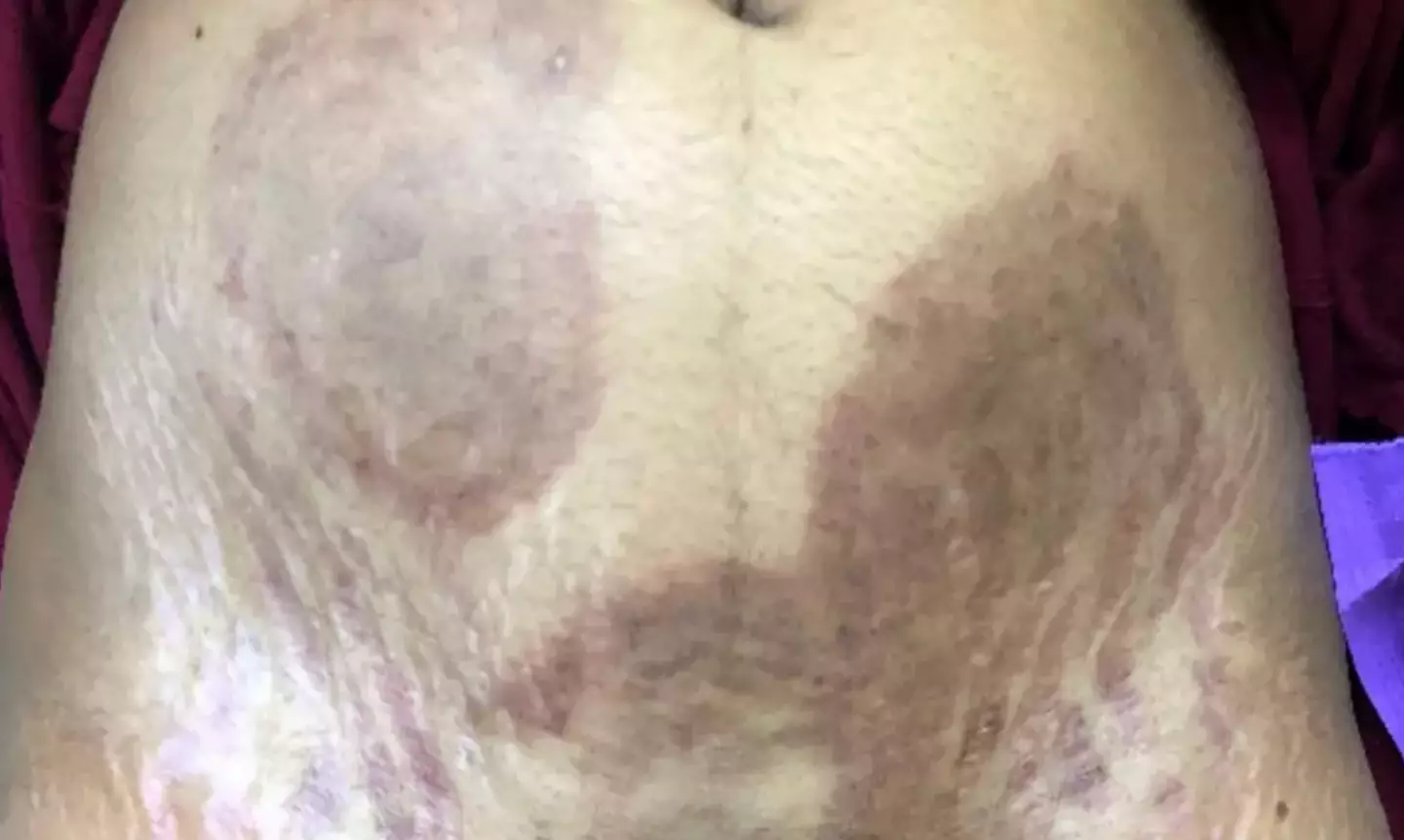
The fungus is drug-resistant, making it more dangerous (MDPI)
How is T. indotineae spread?
It has been reported that the fungus can be spread through skin-to-skin contact or via shared objects, with cases in animals rarely being documented, though it has been suggested that animals may serve as a reservoir for the condition.
Potential sexual transmission by humans has also been reported, as the specific fungus makes up 38 percent of dermatophyte isolates referred to the UK National Mycology Reference Laboratory.
It has been said that patients may report travel within the past few months, or contact with someone who has travelled to/from South Asia, though domestic cases have been reported without any travel involved.
What have experts said?
Dr David Denning, an infectious disease expert based at the University of Manchester, said to The Sun: “It is very socially limiting. Some people won’t feel like they can leave the house or go to work. They can become social pariahs.”
Prof Darius Armstrong-James, a fungal expert at Imperial College London, pointed out: “It could be easily mistaken for eczema or psoriasis if tests are not conducted.”
He added that they aren’t sure ‘how endemic or pandemic’ it will get, but ‘the growing frequency of new cases coming into hospitals is very concerning’.
Dr Denning said that T. indotineae ‘clearly’ going to become a worldwide issue as it spreads out of South Asia.
